Check our events page for the weekly selections
Prima Materia
The Wine
A powerful, well-structured red grown at the winery’s estate vineyard in Lake County. This region's volcanic soils, elevation, and long growing seasons allow this Umbrian variety to ripen fully while retaining its hallmark tannic backbone.
Sagrantino is one of the most phenolic grapes in the world, and Prima Materia approaches it with restrained extraction, careful tannin management, and extended aging to bring out depth without harshness. Fermentation is conducted with native yeasts, followed by a long, slow élevage in neutral and lightly used barrels to soften the grape’s natural intensity while still allowing its essence to shine through.
Tasting impressions: The dense color and aromas of blackberry, plum skin, dried herbs, licorice, and warm spice. The palate is full‑bodied and shows Sagrantino’s signature tannins in a polished, integrated style. Notes of dark fruit, cocoa, and savory earth unfold with air, finishing long and dry with a mineral edge. This is a serious, age‑worthy wine.
Pairings: Braised lamb, grilled ribeye, wild boar ragù, and richly spiced dishes. It works beautifully with mushroom stews, lentils, and roasted root vegetables. Cheese-wise, pair with aged Pecorino, blue cheeses, or firm alpine styles whose salt and depth complement the wine’s tannin and dark‑fruit richness.
The Winery
Prima Materia is a small, hands‑on winery founded by Pietro Buttitta, who farms and vinifies all estate fruit from his vineyard in Kelsey Bench, Lake County.
The site sits on volcanic clays and fractured basalt at high elevation, producing wines with natural structure, freshness, and an evocative minerality. The estate is known for its focus on Italian varieties—Aglianico, Barbera, Dolcetto, Sagrantino, and others—grown in California’s volcanic north where long seasons and dramatic diurnal shifts bring out the best in these varietals.
Pietro's farming is meticulous, emphasizing soil health, careful canopy management, and balanced yields. Winemaking follows a minimal‑intervention philosophy that includes native fermentations, restrained extraction, and long élevage in neutral oak to allow the tannins to resolve naturally.
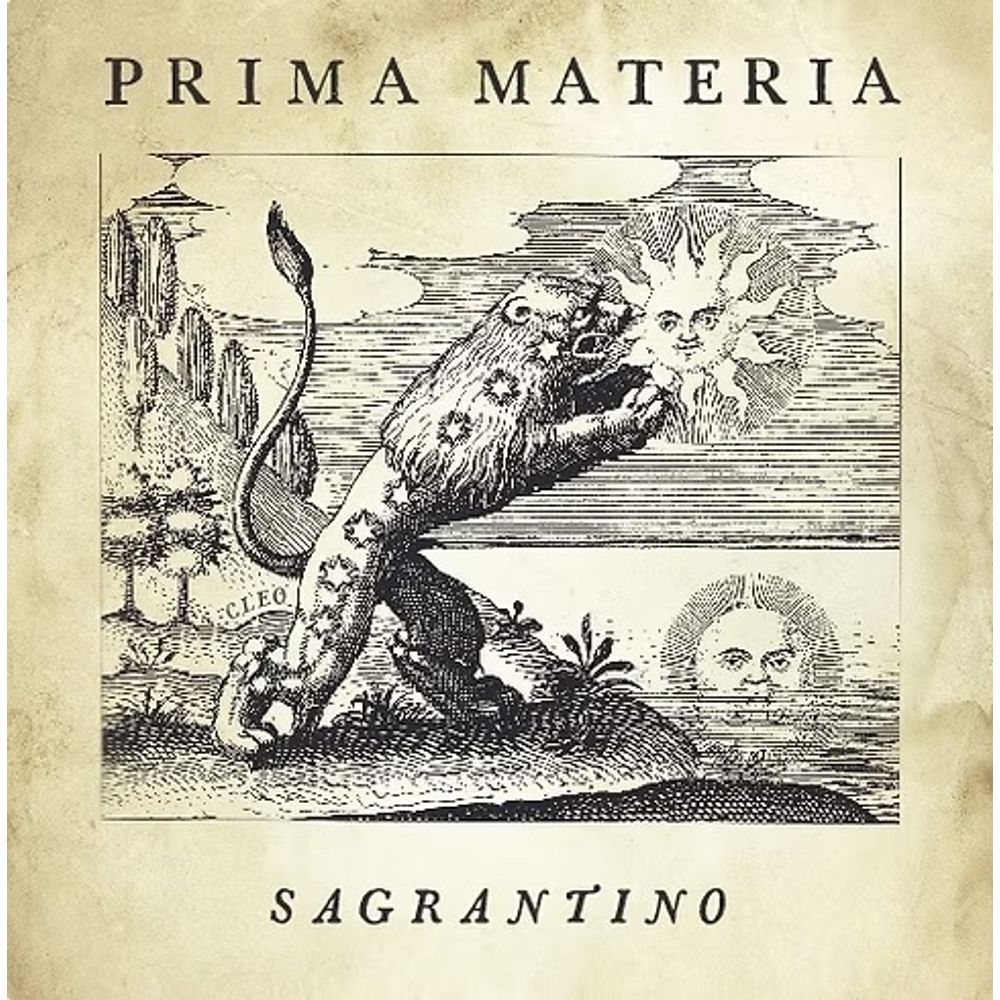
The “Sun Leopard” label reflects the winery’s artistic identity and its connection to mythic, elemental imagery—consistent with Prima Materia’s broader aesthetic of alchemy, transformation, and earth‑driven winemaking.
Prima Materia is a term from alchemy that means "prime matter" - the original formless substance that gave birth to all things. But as a winery, it has produced some of California’s most compelling wines from Italian grapes, with Sagrantino standing out as one of the estate’s most distinctive and age‑worthy bottlings.
Share