Check our events page for the weekly selections
Lucidity Wine Merchants
The Wine
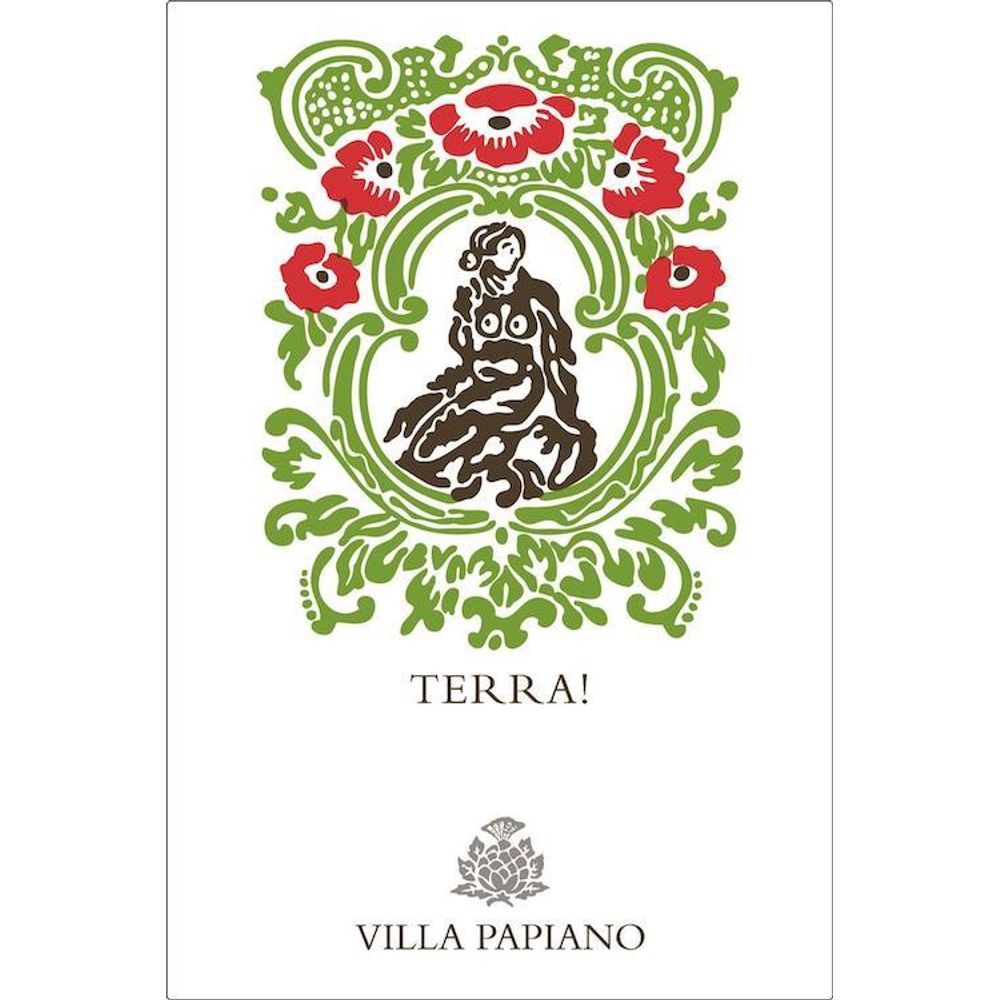
This is an amber‑toned, skin‑fermented expression of Albana grown on the steep, high‑altitude slopes of Modigliana in the Apennines. The vineyard sits on fractured sandstone at elevations at and above 1,600 feet, vineyards that provide the wine's notable tension and minerality.
The fruit is farmed organically and biodynamically, harvested by hand, and fermented with native yeasts. The wine undergoes extended maceration on the skins in terracotta amphorae, where it remains for roughly six months before bottling without fining or filtration. This is a most interesting wine!
Tasting Impressions - Deep golden color with amber highlights. Aromas of apricot, honey, chamomile, and wild herbs, with a saline, mineral foundation from the sandstone soils. The palate delivers gentle tannins from the skins but is notably lifted by bright acidity and a savory edge. The finish is long and clean, echoing citrus peel, almond, and dried flowers.
We like to think this rare and ancient grape, Albana, would be pleased with this rendition. It's an ancient grape found only in this region, and one suitable for a range of wine styles, from dry to sweet.
Pairings: Its structure and herbal complexity make it ideal with Romagnolo dishes such as passatelli with butter and sage, tortellini in brodo, or roasted rabbit with herbs. It also complements richer fish preparations, white meats in umido, and North African–influenced vegetable stews. For cheese, pair with aged Pecorino, alpine tommes, or lightly aged goat cheeses whose tang and texture match the wine’s grip and savory depth.
The Winery
Villa Papiano is stewarded by four siblings of the Bordini family—Francesco, Maria Rosa, Giampaolo, and Enrica—who revived and developed the estate beginning in the early 2000s. Their father, Remigio Bordini, was one of Romagna’s most influential agronomists and a pioneering selector of Sangiovese clones; his work on clonal diversity and soil–site matching forms the technical foundation of the estate’s viticulture. Francesco Bordini, the winemaker, is an agronomist with a doctorate in agricultural engineering and is widely known for mapping Romagna’s soil diversity and championing high‑altitude farming on sandstone and marl.
The villa’s name traces back to a historical figure known locally as Papiano, an army general from the Medici era who was exiled to the remote Modigliana valley for some hanky-panky that would have gotten anyone else killed by decree. The structure he built on this distant property used the stones from an old windmill, and Anyone lucky enough to visit for a tasting today will sit in the subterranean foundation of this old structure!
Villa Papiano farms organically at elevations exceeding 1,600 feet, where steep slopes, fractured sandstone, and dramatic diurnal shifts produce wines of finesse and mineral clarity. They deploy native‑yeast fermentations, restrained extraction, and the use of amphorae and large neutral vessels for this wine. Today the estate is considered one of the leading voices in the revival of Romagna’s mountain wines, championing Albana and Sangiovese in styles that highlight purity, altitude, and a strong sense of place.
Share